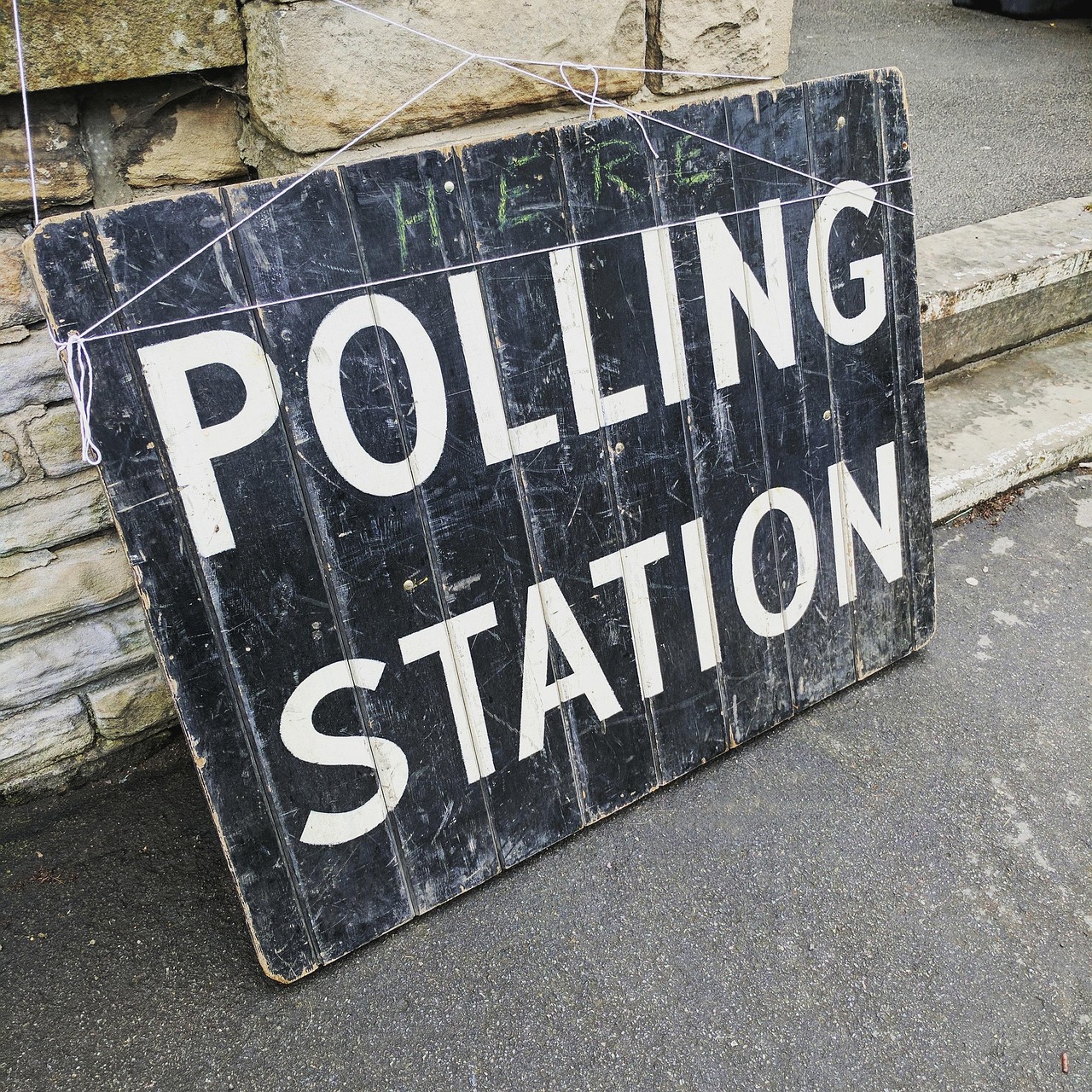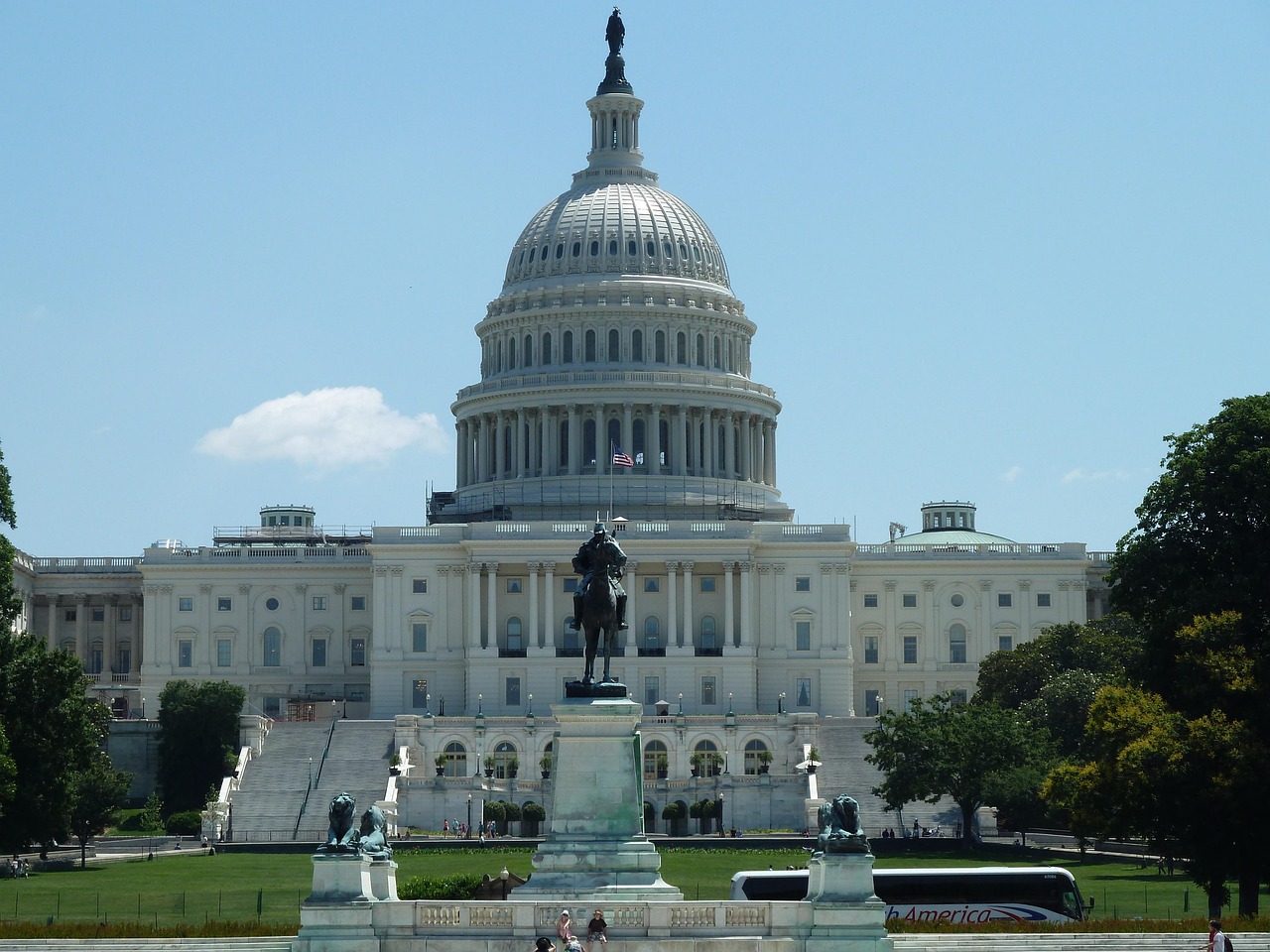
— WASHINGTONThe Senate passed a sweeping electoral reform bill on Friday morning by a vote of 64 to 36, ending a 19-hour overnight session that produced more than four hundred amendments, two near-collapses of the floor schedule and what the chamber's parliamentarian later described, dryly, as "a number of procedural innovations."
The legislation, the most ambitious overhaul of federal voting law since the late 1960s, would expand early voting in all federal elections, set minimum standards for the certification of results, restrict the role of partisan officials in the post-election canvass, and impose new transparency requirements on political advertising delivered through digital platforms.
"This bill is not the bill any one of us would have written alone," the bill's lead sponsor, the senior senator from Michigan, told a sparsely attended chamber shortly before final passage. "It is the bill that 60 of us could pass together. In this body, in this hour, that is the same thing as a victory."
Opponents accused the bill's authors of federal overreach and warned that several provisions would not survive constitutional scrutiny. "What the Senate has done tonight," one minority floor manager told reporters, "it will spend the next decade undoing in the courts."
Outside the Capitol, the reaction was muted. A small contingent of demonstrators on both sides braved the cold rain, but the political class — the consultants, the lobbyists, the partisans of every faction — had largely already moved on. The bill now travels to the lower chamber, where its prospects are uncertain. Several leaders there have signaled that they will demand amendments, including the removal of the section governing partisan certification.
Even so, the Senate vote was, in its own right, a small political event. The chamber has not in years assembled a 60-vote coalition for a measure of this scope and consequence. Whether the moment proves to be the beginning of a longer reformist arc, or a passing flash of bipartisanship soon swallowed by the next news cycle, will not be clear for some time.