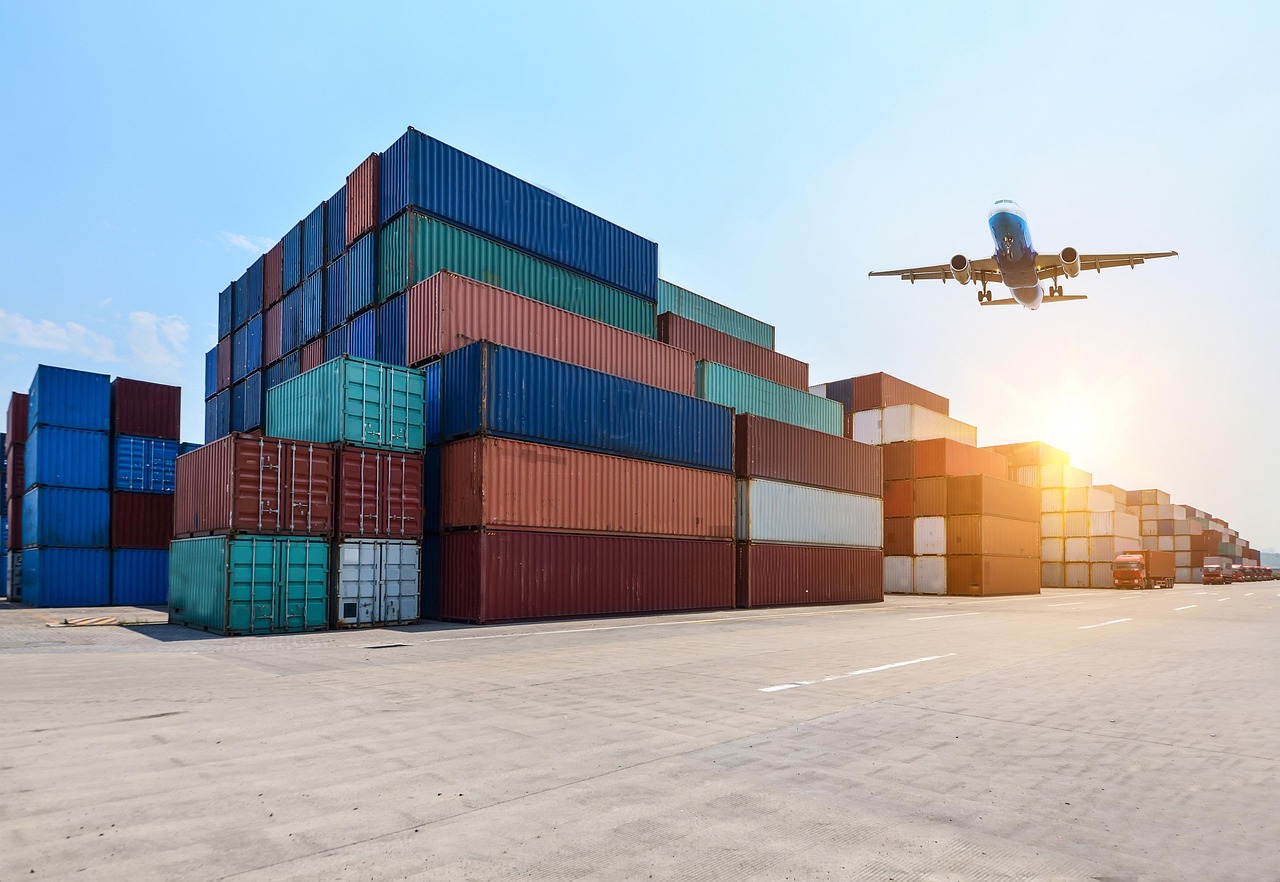
— SINGAPOREThe cost of moving a forty-foot container from Shanghai to Rotterdam is now nearly three times what it was in early January, and container ships are queuing in unprecedented numbers off Singapore, as the disruption to Red Sea shipping enters its eighth month with no end credibly in sight.
Benchmark freight indexes hit fresh six-quarter highs this week. Carriers have added capacity, rerouted around the Cape of Good Hope, and accepted longer voyage cycles, but the system is now operating at the limits of its flexibility. Several major retailers, briefed under embargo, said they had begun pulling forward their holiday inventory orders by as much as eight weeks.
"We learned the lesson of 2021," one supply-chain executive at a mid-sized European apparel group said, asking not to be named because she was not authorised to discuss commercial planning. "You do not wait. You order. You pay for the box. You take delivery in July."
The disruption has had ripple effects far beyond the container trade. Tanker rates, particularly for product carriers moving refined fuels around the Mediterranean and the Indian Ocean, have firmed. Insurance premiums for vessels transiting the southern Red Sea remain at elevated levels, and several major underwriters have introduced new exclusions.
Economists have so far been reluctant to revise inflation forecasts in response to the freight surge, noting that container shipping is a small share of the final price of most consumer goods. But the longer the dislocation persists, the harder it becomes to insulate the broader supply chain from secondary effects: warehousing costs, manufacturer scheduling, the cumulative drag of paying for capacity that, in the end, is not delivered on time.