— GAZIANTEPAfter more than six months of negotiation, denial and stalemate, the first significant convoy of humanitarian aid in nearly half a year crossed into northern Syria on Friday, a fragile breakthrough in a corridor that international agencies had warned was edging toward famine.
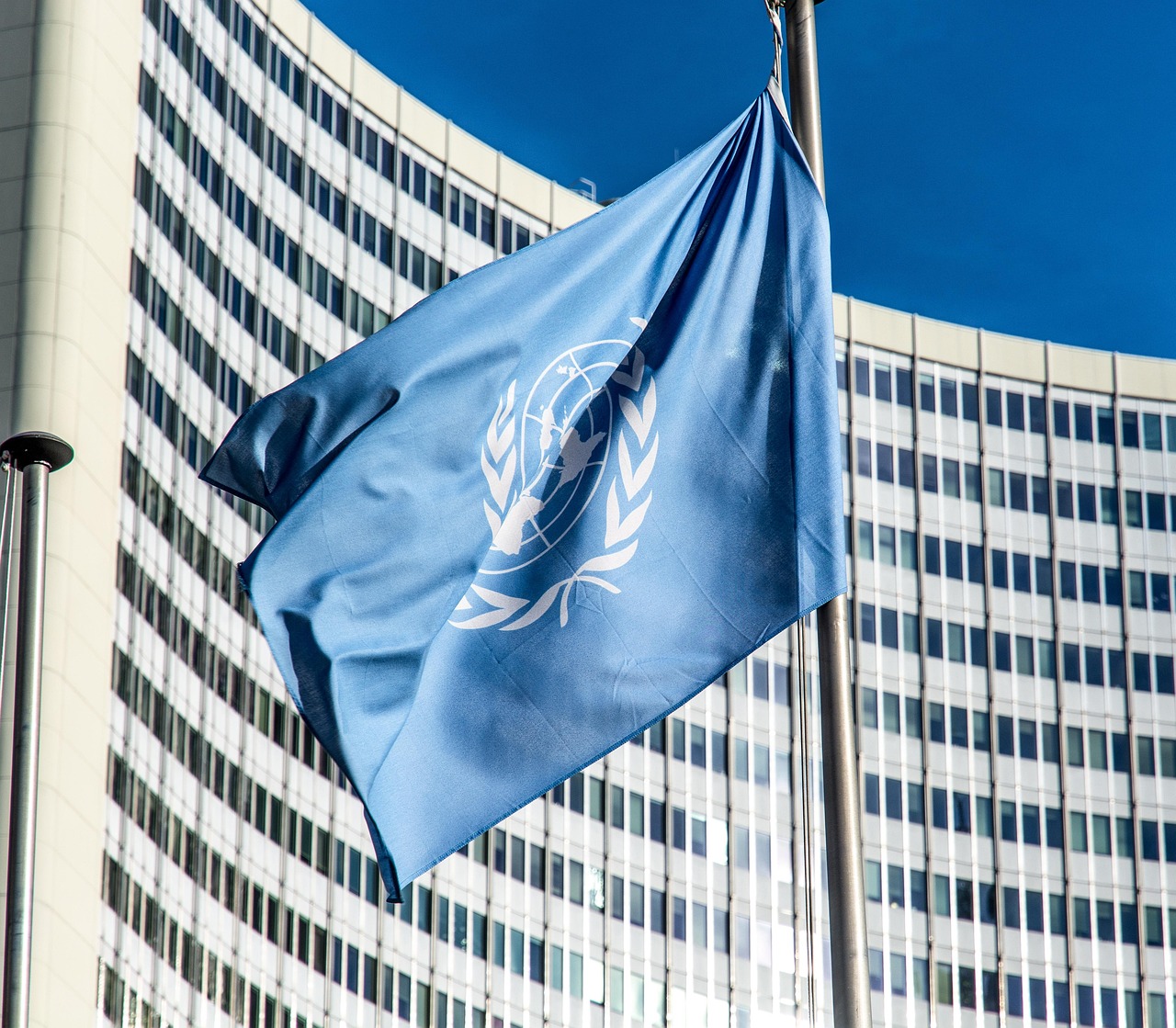
Forty-eight trucks, painted in the white and blue of the United Nations and trailed by a small motorcade of monitors and journalists, rolled across the Bab al-Hawa checkpoint shortly after dawn. They carried flour, infant formula, antibiotics and surgical kits — the first such consignment since a procedural dispute between the warring parties shut the corridor in the spring.
"This is not a victory. It is, at most, a reprieve," said Aisha Mansour, the regional coordinator for the World Food Programme, speaking by telephone from Gaziantep, the Turkish border city that has become the logistical hub of the Syrian relief operation. "Forty-eight trucks is a drop. We need a river."
Aid agencies estimate that more than four million people in the region depend on cross-border deliveries for basic survival. The closure of the corridor since April has, by the United Nations' own accounting, more than tripled the price of bread in besieged towns and pushed the rate of acute malnutrition among children under five to its highest level since the war's earliest years.
Friday's crossing was the result of weeks of shuttle diplomacy by Turkish, Qatari and European mediators. Officials cautioned that the agreement is narrow, time-limited and dependent on a fragile understanding between actors who continue to exchange fire elsewhere on the front. A second convoy is provisionally scheduled for next week.
In the towns themselves, the news arrived as rumour before fact. By the time the first trucks reached the warehouses of the Syrian Arab Red Crescent, crowds had gathered along the road. "We have been waiting," one resident told a local stringer. "We will keep waiting."